
1Immediate care
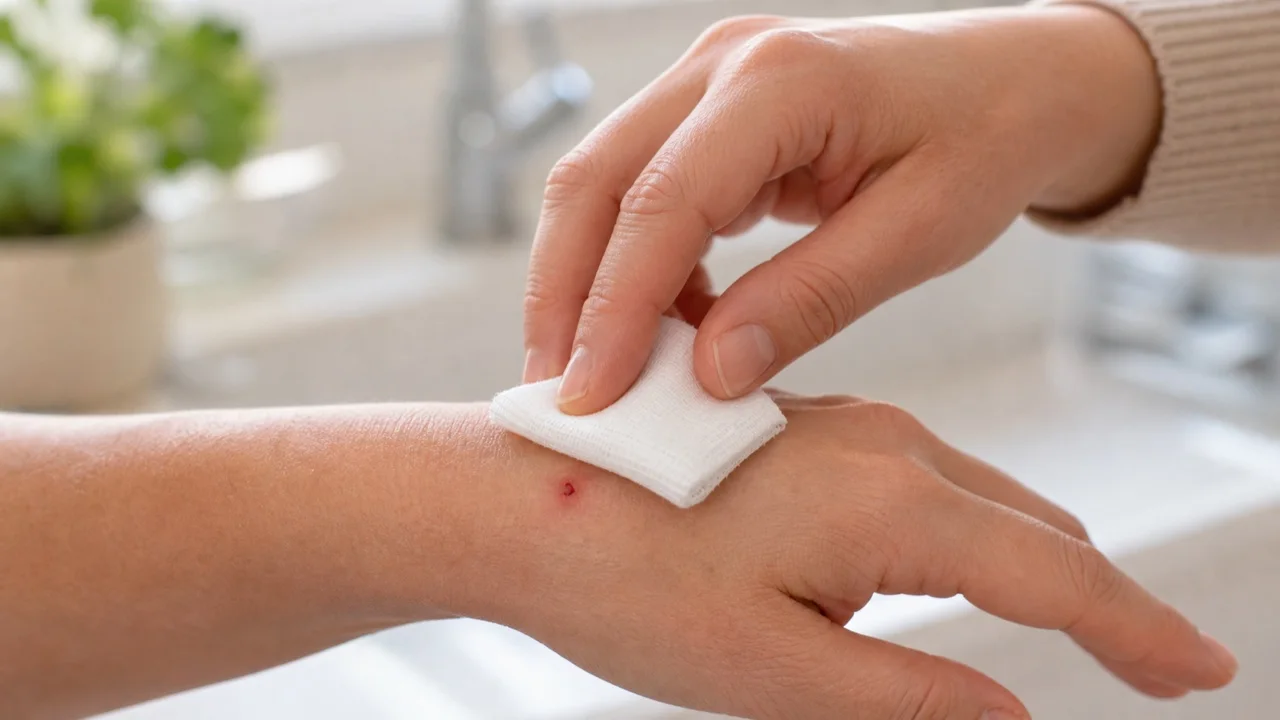
If bleeding is heavy, press first
Use clean gauze or a clean cloth and apply steady pressure. If bleeding does not slow, use emergency care.
Avoid: Repeatedly lifting the dressing while it is still bleeding.
Site search
Human safety · Do this now
Five steps, in order. Cat bites look small on the surface and go deep underneath — start now, then decide about medical care.
Emergency first. Heavy bleeding that doesn’t slow with pressure, difficulty breathing, or signs of a severe allergic reaction — call your local emergency number before anything on this page.
Start here
Use clean gauze or a clean cloth and apply steady pressure. If bleeding does not slow, use emergency care.
Avoid: Repeatedly lifting the dressing while it is still bleeding.
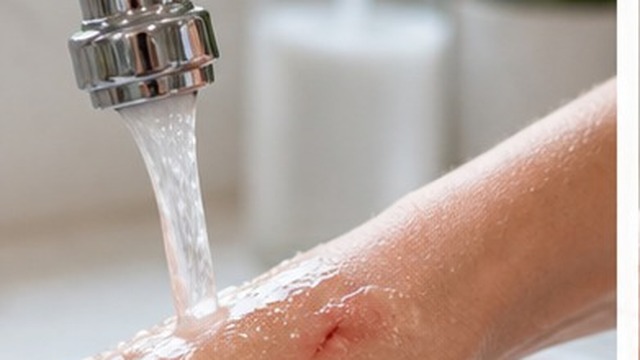
Put the bite under clean running water right away. Water now is better than waiting for a special soap.
Avoid: Waiting to begin because you are searching for the perfect product.
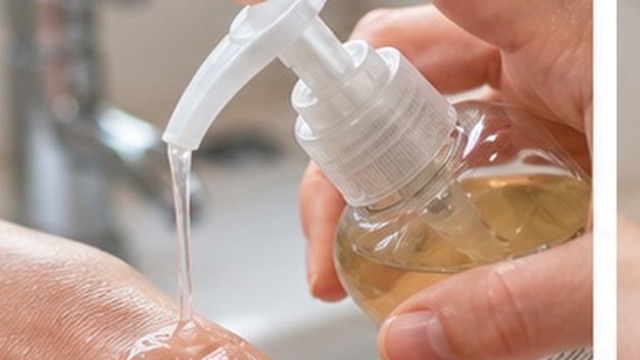
Use regular soap or mild liquid hand soap. Re-lather when it rinses away and keep water moving for 15 minutes.
Avoid: Pouring alcohol, sanitizer, or harsh household cleaners into the wound.
Run this while washing
During the timer, read only the next medical decision below. If someone is with you, ask them to call care while you keep washing.
Wash timer
ReadyStart when washing begins.
The 15-minute duration follows WHO wound-washing guidance for potential rabies exposure. Local medical advice comes first.
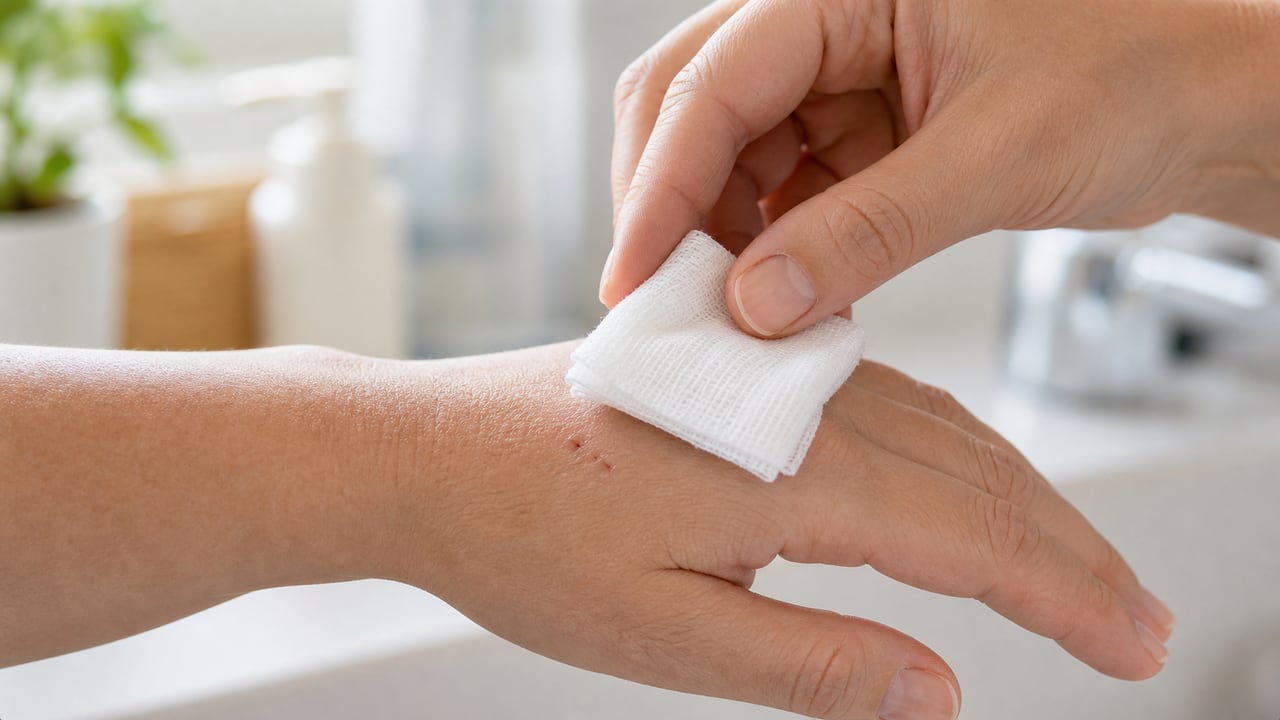
Pat the area dry and use clean gauze or a clean dressing when available. Keep the wound protected while you seek advice.
Avoid: Tight wrapping that restricts circulation or sealing a deep puncture shut.

Ask about wound evaluation, antibiotics, tetanus, rabies guidance, and whether the bite location needs same-day care.
Avoid: Waiting for a small puncture to look severe before asking for advice.

Why soap and water first
Soap and running water help remove saliva, dirt, and germs from the wound surface. Start water first, add soap as soon as you can, then keep washing before covering and calling.
Next: decide how soon to get careCare thresholds
Aftercare and regional rules
These decisions depend on where the bite happened, your vaccination history, and whether the cat can be identified and observed.
Animal bites can be treated as saliva-contaminated wounds. A healthcare professional can review the wound and your vaccination history.
Contact local public health or a healthcare service promptly if the cat is stray, cannot be observed, appears unwell, or the exposure occurred in a place where rabies risk differs.
Increasing pain, redness, warmth, swelling, drainage, fever, or reduced movement are reasons to seek medical advice.
Questions after initial care
This guide does not replace assessment by a licensed healthcare professional. Emergency and follow-up guidance is specific to the region shown on this page.
Primary sources
After the wound is handled
A bite that breaks skin is a strong signal, not a betrayal. Once you’re safe, the matcher points you to the guide that fits what led up to it.
Educational content only. This page cannot assess your wound. Emergency and follow-up guidance depends on your location and circumstances — rabies and tetanus protocols vary by region.